[[trackingImage]]

Check out our BOGO offer

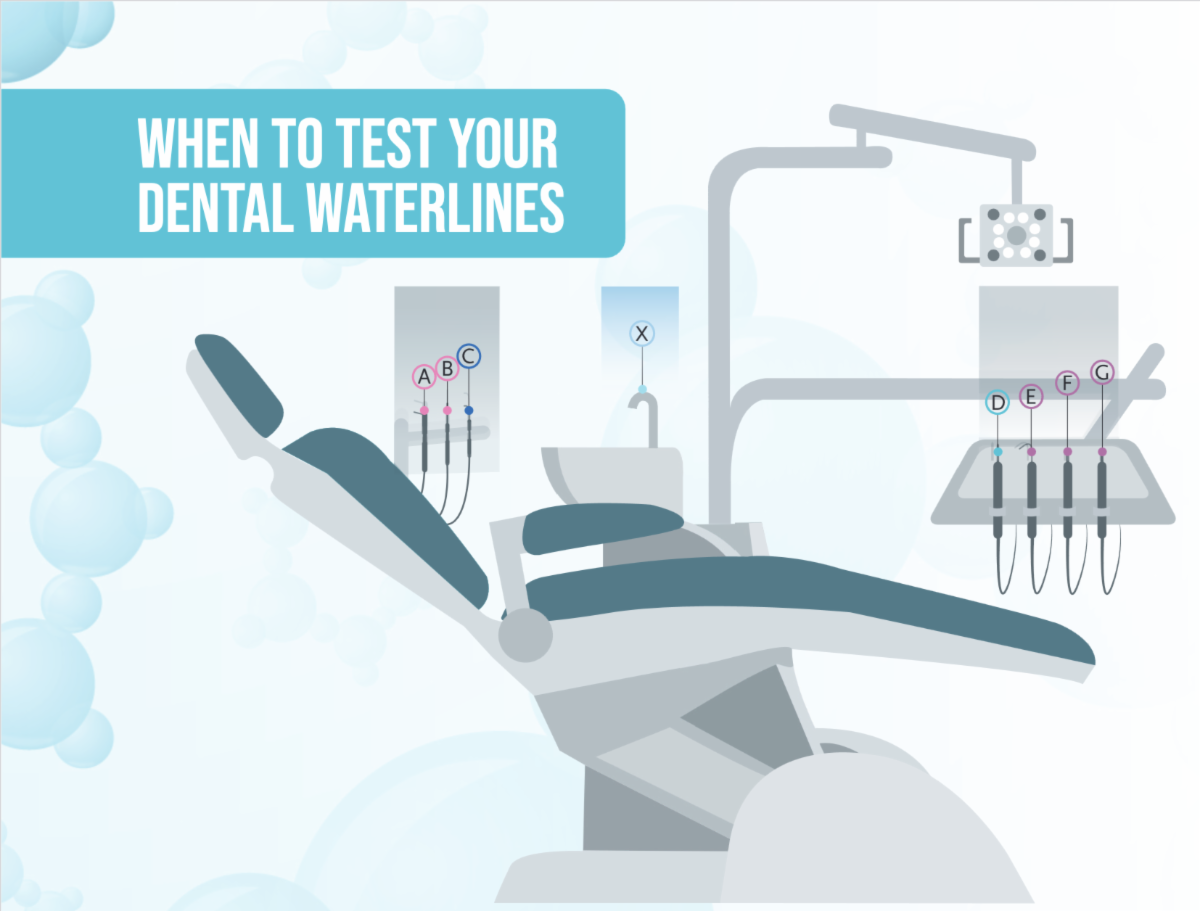
Are your waterlines clean, tested and compliant?

Ensuring the cleanliness of your dental waterlines isn’t just about compliance—it’s about patient safety and trust. Over time, biofilm can build up in dental unit waterlines (DUWLs), creating a breeding ground for harmful bacteria like Legionella and Pseudomonas aeruginosa. To protect both patients and staff, leading health organizations recommend routine microbial testing and waterline maintenance to keep bacterial levels at or below EPA’s standard of ≤500 CFU/mL. Regular testing and proper treatment protocols help prevent infections, meet regulatory requirements, and reinforce your commitment to providing safe, high-quality dental care.


Stay ahead of the curve—keep your waterlines clean, tested, and compliant.

Here's how ClearConfirm works...

INTRODUCTORY OFFER

BUY 3-PACK, GET 3-PACK FREE

or

BUY 12-PACK, GET 12-PACK FREE

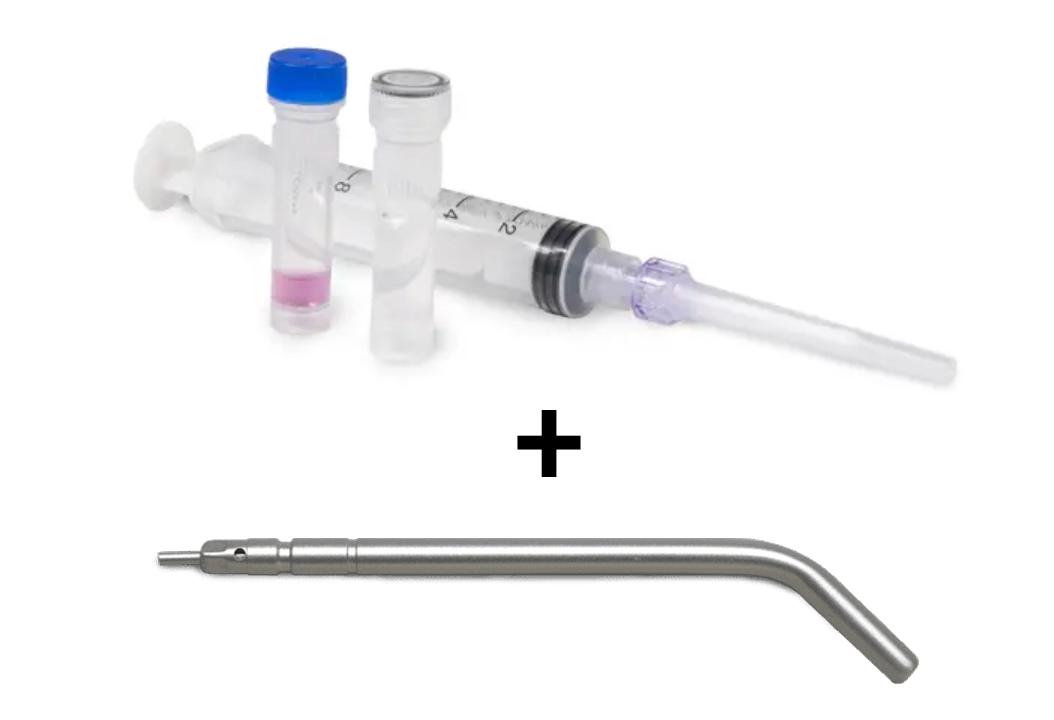
Plus get 3 FREE Air/Water Syringe Tips

limited time offer

What makes ClearConfirm better?

  • Early detection of biofilms with bacteria, fungi
  • Fast, color-coded results - only takes 15 minutes
  • The only in-office test that delivers lab quality results

What's in the water?

Concerns over dental unit water lines challenge compliance efforts for patient safety


"There is documented research showing that microbial counts can reach as high as 200,000 CFU/mL within five days after installation of new dental unit water line".


Read more

ClearConfirm is the only 15 minute, in-office test that delivers lab quality results

Here's how to test your water.

INTRODUCTORY OFFER

BUY 3-PACK OF TESTS, GET 3-PACK OF TESTS FREE

or

BUY 12-PACK OF TESTS, GET 12-PACK OF TESTS FREE

AND Get 3 FREE Stainless Air/Water Syringe Tips

limited time offer

Frequently Asked Questions on Dental Waterlines

1. What guidelines regulate the maintenance of dental waterlines?

The Centers for Disease Control and Prevention (CDC), the American Dental Association (ADA) and the Association for Dental Safety (ADS) provide guidelines for dental unit water quality. The CDC's "Guidelines for Infection Control in Dental Health-Care Settings" (2003) recommend that water used in non-surgical procedures contain ≤500 CFU/mL of heterotrophic bacteria, aligning with Environmental Protection Agency (EPA) drinking water standards. Additionally, OSHA (Occupational Safety and Health Administration) enforces workplace safety standards, including infection control practices for dental staff.

2. What is biofilm, and why is it a problem in dental waterlines?

Biofilm is a slimy layer of bacteria and microorganisms that forms inside dental unit waterlines (DUWLs) over time. It can harbor Legionella, Pseudomonas aeruginosa, and non-tuberculous Mycobacteria (NTM), which pose health risks to both patients AND dental staff. The importance of routine biofilm control measures to prevent infections is vital to the health of a dental office.

3. What happens if dental waterlines are not properly maintained?

Poorly maintained waterlines can develop biofilm, leading to the growth of harmful bacteria such as Legionella and Pseudomonas, which can pose serious health risks to patients and staff.

4. What is the best way to test dental water quality?

The best method is to use in-office water test kits or send samples to a laboratory for microbial analysis. The CDC recommends that water used in dental procedures meet the EPA standard of ≤500 CFU/mL (colony-forming units per milliliter).


Many practices start with in-office test because they are easier, less expensive and confidential.

5. How often should dental waterlines be tested?

Dental waterlines should be flushed daily and treated regularly with antimicrobial agents or shock treatments as recommended by the manufacturer and regulatory guidelines (such as CDC or ADA). When it comes to testing dental waterlines, most guidelines recommend monthly testing (if you're just getting started) and then quarterly after your testing results are clean and consistent.

6. Are there legal consequences for failing to maintain dental waterlines?

Yes. Regulatory agencies such as OSHA, the CDC, and state dental boards can impose fines or disciplinary actions against non-compliant dental offices. Failure to meet water quality standards can lead to citations under OSHA’s General Duty Clause for failing to provide a safe workplace. Additionally, outbreaks linked to contaminated dental water can lead to lawsuits and damage to a practice’s reputation.

7. What does ClearConfirm detect that other in-office dental waterlines don't?

Unlike other in-office tests, ClearConfirm is able to detect in minutes a wide range of hard-to-detect bacteria, fungi, and biofilm including: Mycobacterium spp., Legionella spp., Klebsiella spp., Pseudomonas spp., Aspergillus niger, E. coli, Bacillus megaterium, Salmonella spp., Staphylococcus spp.

8. What makes ClearConfirm different?

The other guys only sell waterline tests to get you to buy their waterline treatment products.

We only sell waterline tests so you can trust ClearConfirm to be an independent, trusted partner.


Hager_293_logo_w_tag.png

Request a free sample

© 2025 Hager Worldwide. All rights reserved.